
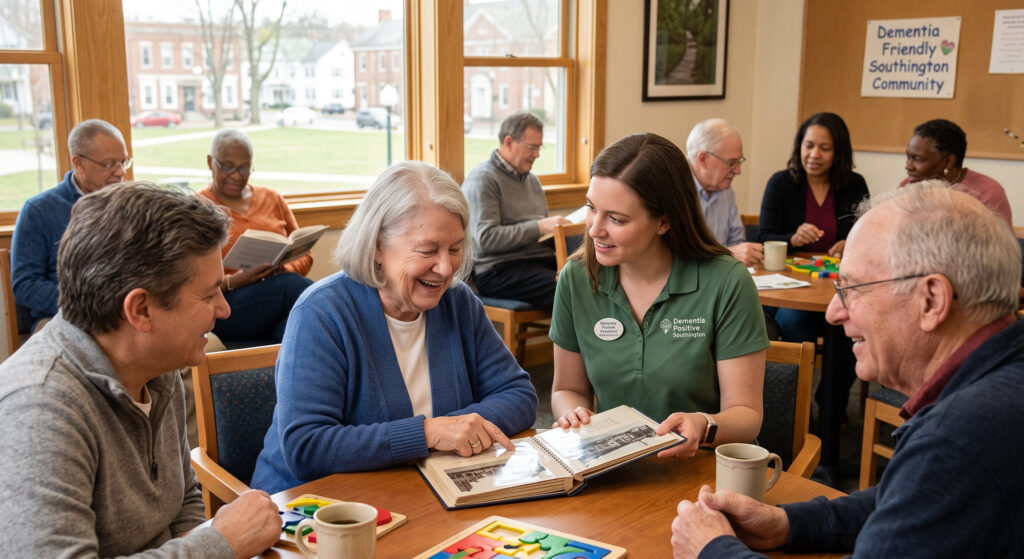
 Communities across the United States are facing one of the most significant public health challenges of the twenty-first century. As the population ages, the number of people living with dementia continues to rise, affecting individuals, families, healthcare systems, employers, and entire neighborhoods.
The impact reaches far beyond clinical settings. Dementia influences how people shop, socialize, travel, volunteer, attend faith services, and participate in everyday community life. For many years, conversations about dementia focused almost entirely on diagnosis, treatment, and caregiving.
While those areas remain essential, a broader question has emerged: What happens after a diagnosis? How can communities ensure that people living with dementia remain connected, respected, and engaged?
The answer is increasingly found in the growing movement to create dementia-friendly communities. These communities recognize that people living with dementia still have valuable contributions to make and deserve opportunities to participate fully in daily life.
In Central Connecticut, that vision is taking shape through Dementia Positive Southington, a local initiative that is helping residents, businesses, organizations, and community leaders rethink how they support people living with cognitive change.
More than a program, Dementia Positive Southington represents a community-wide commitment to inclusion, understanding, and action. As the movement continues to grow, it is positioning Southington as a leading example of what a truly dementia friendly community in Connecticut can look like.
What is Dementia Positive Southington?
Dementia Positive Southington is a community-driven initiative focused on creating an environment where people living with dementia can remain active participants in community life while receiving understanding and support from those around them.
The movement encourages residents, businesses, healthcare providers, civic organizations, educational institutions, and local leaders to learn more about dementia and adopt practices that make everyday interactions easier and more welcoming.
At its core, Dementia Positive Southington challenges the misconception that a dementia diagnosis automatically ends a person’s ability to contribute to society. The initiative promotes a different perspective centered on dignity, connection, purpose, and possibility.
The term “Dementia Positive” reflects a shift away from fear-based narratives. Rather than defining individuals by their diagnosis, the movement emphasizes strengths, abilities, and meaningful engagement. This philosophy aligns with growing international efforts to support people living with dementia through community inclusion rather than isolation.
Why Dementia-Friendly Communities Matter?
A dementia diagnosis often affects far more than memory. Individuals may encounter challenges navigating public spaces, accessing services, participating in social activities, or communicating their needs.
Many barriers are not caused directly by dementia itself. Instead, they result from environments that have not been designed with cognitive accessibility in mind. A confusing store layout, unclear signage, rushed customer service interactions, or a lack of community understanding can create unnecessary stress and discourage participation.
Dementia-friendly communities work to remove these obstacles by increasing awareness and improving community readiness. Research consistently demonstrates that social connection, purpose, physical activity, and community engagement contribute positively to overall well-being.
These factors become even more important for people experiencing cognitive changes. When communities become more informed and supportive, individuals living with dementia are more likely to:
- Maintain independence longer
- Participate in social and recreational activities
- Continue contributing to community life
- Experience improved emotional well-being
- Access services with greater confidence
- Reduce feelings of isolation and stigma
Families and care partners also benefit from living in a community where neighbors, businesses, and organizations understand dementia and respond appropriately. Creating a supportive environment helps distribute responsibility across the community rather than placing the entire burden on caregivers.
Reframing Dementia Through a Positive Lens
Public perceptions of dementia often focus on decline and loss. While the realities of cognitive change should never be minimized, a solely deficit-based perspective can unintentionally reinforce stigma.
The dementia positive movement encourages communities to adopt a more balanced understanding. People living with dementia continue to have preferences, relationships, talents, experiences, and aspirations. Many remain active volunteers, community members, artists, mentors, advocates, and family leaders.
A dementia-positive approach asks communities to recognize the person before the diagnosis. The shift may seem simple, but its impact can be profound. When businesses train employees to communicate more effectively, individuals feel more comfortable using local services.
When faith communities adapt programs to become more accessible, members remain connected to their spiritual communities. When neighbors understand how dementia affects communication, interactions become more supportive and less stressful.
Small changes can collectively create a culture of inclusion. This transformation is what Dementia Positive Southington seeks to achieve across Central Connecticut.
How Dementia Positive Southington Creates Community Impact?
Building a dementia-friendly community requires more than awareness campaigns. Lasting change occurs when education, engagement, and action work together. Dementia Positive Southington advances its mission through several interconnected strategies designed to reach different segments of the community.
Community Education
Education serves as the foundation of the initiative. Many misconceptions about dementia stem from limited exposure or outdated information. Community education programs help residents understand the realities of cognitive change while providing practical guidance for everyday interactions.
Training sessions often cover topics such as:
- Understanding different types of dementia
- Effective communication techniques
- Recognizing signs of cognitive impairment
- Supporting independence and dignity
- Responding compassionately in public settings
As more residents gain knowledge, the community becomes better equipped to support people living with dementia in meaningful ways.
Dementia Positive Ambassadors
Ambassadors play a vital role in expanding awareness throughout the community. These individuals serve as advocates, educators, and champions for dementia inclusion. Through outreach efforts, ambassadors help spread information, encourage participation, and strengthen connections between organizations and residents. Every ambassador contributes to a broader cultural shift that helps normalize conversations about dementia and reduce stigma.
Community Partnerships
Creating a dementia-friendly community requires collaboration across multiple sectors. Businesses, healthcare organizations, nonprofits, educational institutions, faith communities, civic groups, and municipal leaders all have important roles to play.
Dementia Positive Southington fosters partnerships that encourage organizations to evaluate their environments, improve accessibility, and adopt dementia-friendly practices. As participation grows, the collective impact extends across the entire community.
Training and Engagement
A key measure of success for the movement is the number of individuals who receive training and become actively involved. Each trained resident, volunteer, employee, caregiver, and community leader contributes to a growing network of support.
The cumulative effect is significant. Every informed interaction creates another opportunity for someone living with dementia to feel welcomed, understood, and respected.
The Role of LiveWell in Advancing the Movement
LiveWell has long believed that brain health extends beyond medical care. Meaningful support requires a comprehensive approach that addresses social connection, purpose, wellness, education, and community engagement.
This philosophy naturally aligns with the goals of Dementia Positive Southington. For years, LiveWell has worked to challenge traditional assumptions about aging and dementia.
Through innovative programs, education initiatives, caregiver support, research participation, and community partnerships, the organization has demonstrated what person-centered dementia care can look like.
Rather than viewing dementia solely through a clinical lens, LiveWell focuses on helping individuals live well with cognitive change. The organization’s involvement in community-based initiatives reflects a broader belief that healthy aging and dementia support should not be confined to healthcare facilities.
Real change happens when entire communities become part of the solution. Dementia Positive Southington provides an opportunity to extend that vision beyond organizational walls and into everyday community life.
Connecting Local Action to Global Progress
One of the most exciting aspects of the movement is its connection to larger efforts focused on brain health and dementia prevention.
Communities often assume that local initiatives operate independently from broader research efforts. In reality, meaningful progress frequently occurs when local action and global innovation reinforce one another. LiveWell’s participation in the international FINGERS network demonstrates this connection.
The FINGERS model emerged from groundbreaking research showing that lifestyle interventions can play an important role in supporting cognitive health. The approach emphasizes factors such as physical activity, nutrition, cognitive engagement, social connection, and management of health risks.
Today, the global FINGERS network brings together researchers and organizations from around the world to advance understanding of brain health and dementia prevention. The connection between Dementia Positive Southington and these broader initiatives highlights an important truth.
Building a dementia-friendly community is not separate from advancing brain health research. Both efforts share a common goal: helping people live healthier, more connected, and more meaningful lives as they age. Local engagement and global innovation work best when they move forward together.
Why Southington is Positioned to Lead?
Southington occupies a unique position within Central Connecticut. The community benefits from strong civic engagement, active nonprofit participation, committed healthcare organizations, and residents who value connection and volunteerism.
These characteristics create fertile ground for a successful dementia-friendly initiative. Leadership also plays an important role. Community transformation requires individuals and organizations willing to champion a vision larger than themselves.
As awareness grows and participation expands, Southington has the opportunity to become a model for other municipalities throughout Hartford County and beyond. The lessons learned locally can inspire similar efforts across Connecticut, creating a ripple effect that extends far beyond town boundaries.
A single community cannot solve the challenges associated with dementia on its own. However, one community can demonstrate what progress looks like and encourage others to follow.
The Future of the Dementia Positive Movement
The future of dementia support will depend increasingly on community engagement. Healthcare providers remain essential, but communities themselves will play a larger role in shaping the quality of life for older adults and people living with cognitive change.
The most successful communities will be those that embrace inclusion, promote understanding, and create opportunities for meaningful participation. The dementia positive movement offers a framework for achieving those goals.
Its message is both practical and hopeful. People living with dementia deserve more than care. They deserve connection, purpose, a sense of belonging, and opportunities to continue contributing to the communities they helped build.
Dementia Positive Southington demonstrates how local action can transform that vision into reality. Every trained individual, participating business, community partner, and ambassador contributes to a stronger support network.
Together, those efforts create an environment where people living with dementia can remain visible, valued, and engaged. As the movement continues to grow, Southington is helping redefine what a dementia-friendly community can achieve—not only in Connecticut, but across the country.
Conclusion
The growing prevalence of dementia calls for new approaches that extend beyond healthcare systems alone. Communities have an essential role to play in creating environments where people living with dementia can continue to thrive.
Dementia Positive Southington represents a powerful example of what happens when education, collaboration, advocacy, and inclusion come together around a shared purpose.
By promoting understanding, supporting community participation, building partnerships, and connecting local action with global brain health initiatives, the movement is helping create a more compassionate future for individuals and families affected by dementia.
As Central Connecticut continues this journey, Dementia Positive Southington stands as a reminder that dementia-friendly communities are not built through a single program or organization. They are built through collective commitment, one interaction and one relationship at a time.
Frequently Asked Questions
What is Dementia Positive Southington?
Dementia Positive Southington is a community initiative focused on creating a supportive and inclusive environment for people living with dementia through education, awareness, partnerships, and community engagement.
What makes a dementia-friendly community?
A dementia-friendly community promotes understanding, accessibility, and inclusion for people living with dementia. Community members, businesses, organizations, and public institutions work together to reduce barriers and support participation.
How does the dementia positive movement help families?
The dementia-positive movement helps families by increasing community awareness, reducing stigma, strengthening support networks, and creating environments where people living with dementia can remain engaged in everyday life.
How is LiveWell involved in Dementia Positive Southington?
LiveWell supports the initiative through its commitment to brain health, dementia education, caregiver support, community engagement, and participation in innovative research programs focused on healthy aging.
How does Dementia Positive Southington connect to the FINGERS network?
The initiative aligns with broader brain health goals that emphasize prevention, wellness, social connection, and community support. LiveWell’s involvement in the global FINGERS network reinforces these shared objectives.